
Budget 2026: DMO trims long-gilt sales from its pre-Budget plan, bank surcharge set to rise to 6%, share stamp tax cut stays under review
The Chancellor's Budget, delivered on 28 October, lifts the DMO's 2026-27 net financing requirement by £7.4bn from the April remit revision, but cuts planned long conventional gilt sales by £7.7bn against the DMO's pre-Budget split (£6.9bn against the April remit). It plans a temporary rise in the Bank Corporation Tax Surcharge from 3% to 6% from 1 January 2027 to 31 March 2028, and confirms that the Securities Transfer Tax is to replace stamp duty on shares from late 2027, with a cut kept under review rather than announced. For market structure, the substance lies in the debt-management annex, not the tax measures.
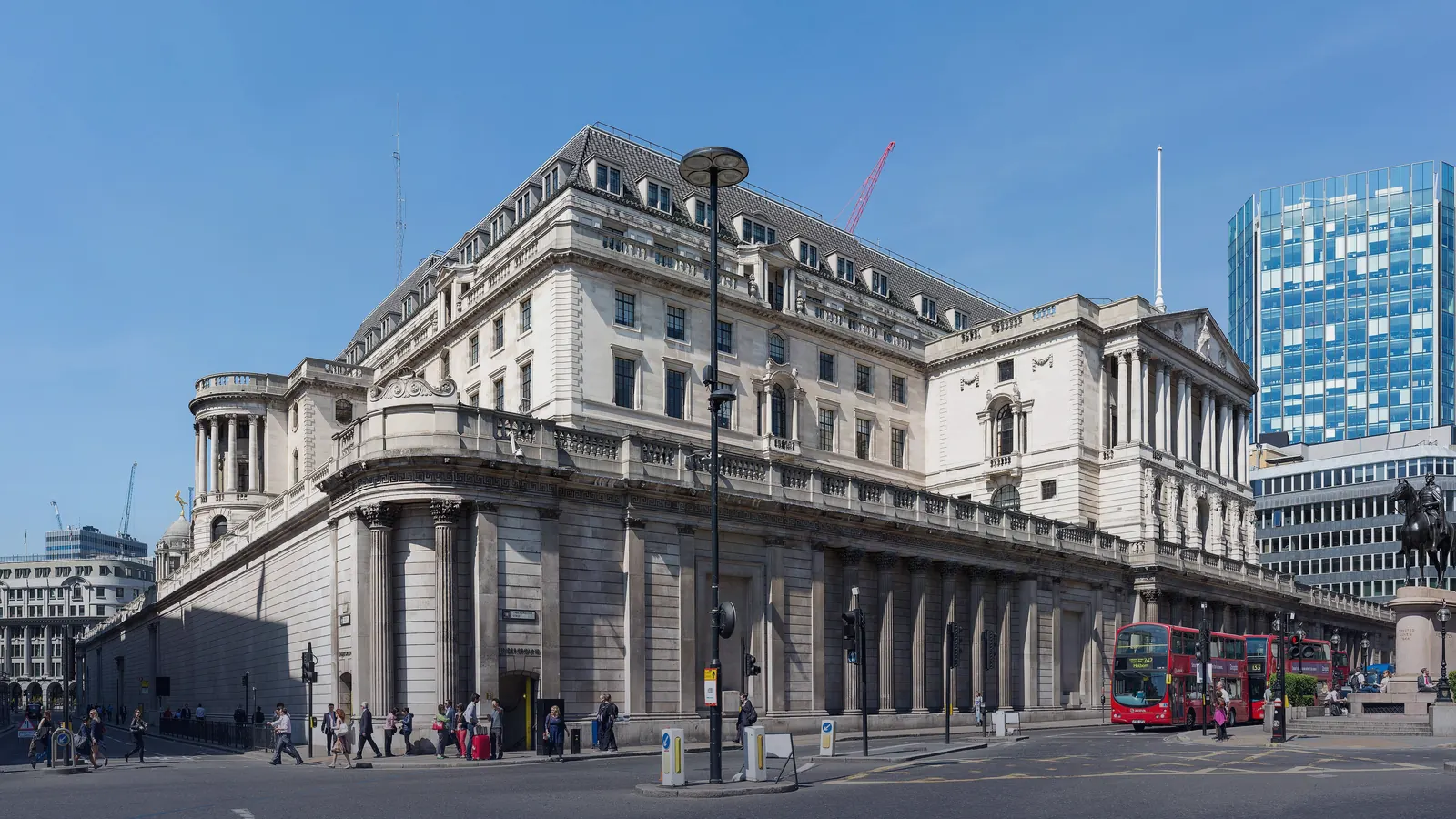
Chancellor John Healey presented Budget 2026 to Parliament on Wednesday 28 October. Parliament had scheduled the statement for approximately 12:30pm UK time (12:30 GMT), straight after Prime Minister’s Questions. The Office for Budget Responsibility (OBR) and the Debt Management Office (DMO) published their documents alongside it.
Gilt supply: more in total, less at the long end
The DMO’s net financing requirement for 2026-27 has been revised up by £7.4bn to £258.6bn, from £251.2bn at the April 2026 remit revision. Against the April remit, planned gilt sales rise by £4.4bn to £250.6bn, and the planned net contribution from Treasury bills rises by £3.0bn to £8.0bn.
The mix is what matters for the curve. Against the DMO’s split of issuance immediately before the Budget, which reflects £17.6bn drawn down from the unallocated portion since April, the DMO is adding £2.7bn of short conventional gilts, £7.5bn of mediums and £2.7bn to the unallocated portion. It is cutting long conventional sales by £7.7bn and index-linked sales by £0.9bn. Against the April remit, the Red Book shows short conventionals up £12.6bn to £107.6bn, mediums up £13.3bn to £89.3bn, long conventionals down £6.9bn from £22.4bn to £15.5bn, index-linked up slightly to £23.4bn and the unallocated portion down £14.9bn to £14.9bn. Long conventionals now make up 6.2% of planned 2026-27 issuance.
The method is changing too. Against the April remit, planned auction sales fall by £5.3bn to £169.1bn, with 47 auctions now planned; three long conventional auctions are among those cancelled. Only £2.3bn of long conventionals is now planned through two auctions. Planned syndication rises by £12.1bn to £54.1bn, including £33.8bn of mediums and £12.5bn of long conventionals. The DMO plans a fifth programmatic gilt tender in Q3 2026-27, for a conventional gilt on Thursday 3 December 2026.
Treasury bills: a 12-month line, a repo facility and a collateral pool
The DMO also set out how it will implement this year’s Treasury bill consultation. Tenders for bills around the 12-month point are due to begin in January 2027, initially every four weeks, with maturities of about 357 days. The Treasury Bill Standing Repo Facility is due to open in January 2027, with the exact start date to be confirmed in the DMO’s Q4 2026-27 Treasury bill calendar announcement, due on 24 December 2026, and its price is expected to be set at “a spread of 20 basis points below Bank Rate”. A collateral pool of £250m nominal of each bill in issue as of 28 October has been created. Eligible DMO cash management counterparties can borrow these bills in repo, and the DMO says they are available immediately, with no exclusive Delivery-by-Value holding period.
The Red Book also says HM Treasury, the Bank of England and the DMO have been developing a model under which all Asset Purchase Facility active gilt sales would be made to the government “and not to the market”. The DMO would then issue a corresponding amount of debt through the remit. The model “remains under review”. Subject to a final decision to proceed, it could be incorporated into the 2027-28 remit.
Headroom and yields
The OBR says the fiscal mandate, for the current budget to be in surplus in 2029-30, is met by a margin of £15bn. That is £7bn lower than when the rules were last formally assessed at Budget 2025, and the OBR puts the probability of meeting the mandate at 56%. HM Treasury, which refers to this as the stability rule, puts headroom £9bn below the March forecast and says the fall is “more than accounted for by the conflict’s impact on debt interest costs”.
Between the start of the conflict in the Middle East and 20 October, the OBR says, 10-year gilt yields ranged from around 4½% to 5½%. It estimates that a one-percentage-point change in gilt yields and Bank Rate expectations could change medium-term borrowing by £16bn. We have not reported gilt moves on 28 October: official end-of-day yield data was not available at the time of writing.
Banks, shares and ISAs
The government plans to raise the Bank Corporation Tax Surcharge from 3% to 6% from 1 January 2027 until 31 March 2028, returning to 3% from 1 April 2028. The change is to be legislated in Finance Bill 2026-27, and the Red Book says the period “will not be extended”. The OBR estimates a total yield of £1.5bn over the 15 months, net of about £190m lost as “some banks are assumed to move profits out of the UK”. The Red Book does not mention the bank levy.
On shares, the government will introduce legislation in Finance Bill 2026-27 to bring in the Securities Transfer Tax from late 2027, replacing Stamp Duty and Stamp Duty Reserve Tax. The July draft legislation set a 0.5% main charge and a 1.5% higher-rate charge. No rate cut is announced. The Red Book says the government has heard industry feedback that cutting Stamp Taxes on Shares “could boost UK capital market competitiveness”, recognises “the potential economic benefits of such a change” and “will keep this under review”, “having appropriate regard to the fiscal implications of any changes”. It points back to the UK Listings Relief announced at Budget 2025.
The government has decided not to reduce the cash ISA limit, which remains at £20,000; the Red Book describes this as “reversing the planned cut”. The government will “explore” a new incentive for people investing in a stocks and shares ISA for the first time, with the detailed design to be “developed with industry”. On pensions, the Budget repeats that the Mansion House Accord “should unlock around £25 billion” for UK private markets, with no new measure.
Other items: the government says the Financial Services and Markets Bill will reduce the overall burden of the Senior Managers and Certification Regime by 50%. An FCA single reporting framework for fund managers is estimated to save £105m a year. The pilot digital gilt instrument (DIGIT) issuance is expected to take place in the Digital Securities Sandbox by the end of Q1 2027. Barclays, HSBC, Lloyds Bank Corporate Markets, Morgan Stanley, NatWest and RBC Capital Markets were appointed its joint lead managers on 6 October 2026.
Why it matters
Analysis. For a rates desk, the remit is the market-structure story. Planned long conventional supply is down to 6.2% of the programme, and of the £15.5bn, £12.5bn is planned by syndication and £2.3bn by auction, with £0.7bn already sold by gilt tender. That leaves fewer scheduled auctions at the long end, so execution there is likely to depend more on syndication timing and DMO tender choices than on the auction calendar. More planned supply at the short and medium end puts more of the duration on that part of the curve.
The bill measures matter for funding and liquidity. A standing repo facility expected at Bank Rate minus 20bp, and a collateral pool available to borrow immediately, are designed to support the expansion and deepening of the bill market; how dealers use them will become clearer once the facility opens. The proposed redirection of Bank of England gilt sales away from the market remains under review and is the item to watch for 2027-28 supply.
On equities, the Budget documents give no rate cut to model. The Securities Transfer Tax replaces the existing stamp taxes on shares, and the July draft legislation kept a 0.5% main charge.
Sources
- HM Treasury, Budget 2026 (Red Book), HC 726, published 28 October 2026 (publication page)
- HM Treasury, Budget 2026: Breathing space for today, hope for the future, press release, 28 October 2026
- Office for Budget Responsibility, Economic and fiscal outlook – October 2026, 28 October 2026 (publication page)
- UK Debt Management Office, Revision to the DMO Financing Remit 2026-27: Budget 2026, 28 October 2026
- UK Debt Management Office, Update on the implementation of measures announced in the government’s response to the Treasury bill consultation, press notice, 28 October 2026
- HMRC / HM Treasury, Securities Transfer Tax — modernisation of the Stamp Taxes on Shares Framework, 13 July 2026 (draft legislation)
- HM Treasury, Budget 2026 topical event page, 28 October 2026
- UK Parliament, Budget Statement Wednesday 28 October, 23 October 2026
News and information only, not investment advice. See our disclaimer.
Spotted an error? Email [email protected]. See our editorial standards, including how we use AI and handle corrections.